Institutional Investors Reshape Crypto Market Dynamics
The influx of institutional capital is transforming the digital asset landscape, spurring new innovations and regulatory insights.
By Laurie Suarez
Institutional capital is transforming the digital asset landscape, driving innovation and regulatory clarity. How institutional investors reshape crypto.
The Shift Towards Institutional Investment in Cryptocurrencies
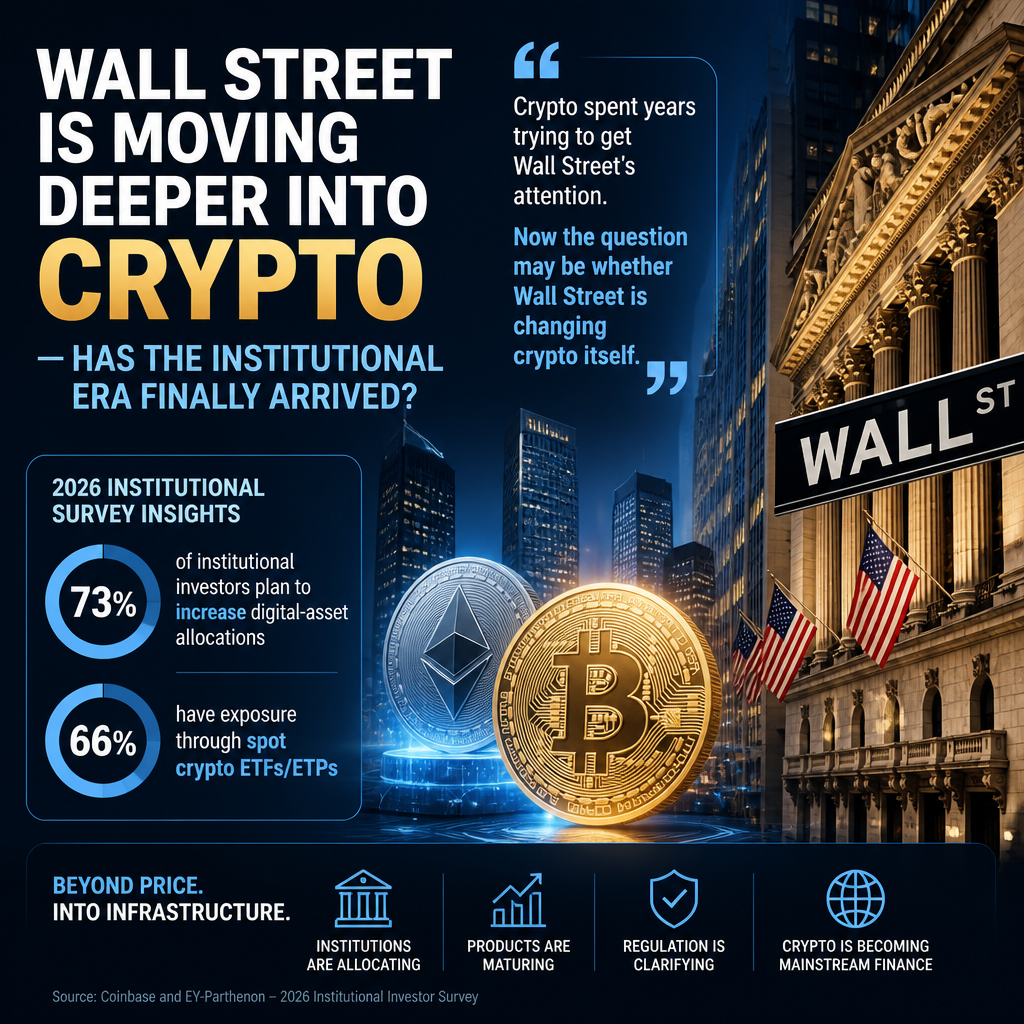
The cryptocurrency landscape is undergoing a significant shift, with institutional investors increasingly stepping into the arena. A recent survey by Coinbase and EY-Parthenon reveals that around 75% of institutional investors plan to elevate their allocations to cryptocurrencies, signaling a pivotal moment in the perception of digital assets as integral components of modern finance.
Accessing Crypto: The Rise of ETFs and ETPs
One of the most notable findings from the survey is the trend toward utilizing exchange-traded funds (ETFs) and exchange-traded products (ETPs) for cryptocurrency exposure. Approximately 66% of those surveyed are opting for these regulated investment vehicles. These options provide institutional players with a simplified pathway to engage with digital assets without the complexities of direct ownership, indicating a deeper integration of cryptocurrencies into the mainstream financial ecosystem.
Factors Fueling Institutional Interest
Several factors are driving this surge in institutional interest. First, the maturation of the cryptocurrency market has led to enhanced regulatory frameworks that help mitigate risks, making the space more palatable for institutional investors. Furthermore, major financial institutions such as BlackRock and Fidelity are launching crypto-focused investment products, which serve to validate the sector and attract additional capital from traditional investors.
Implications for Financial Infrastructure
The increasing participation of institutional investors is poised to significantly impact the underlying financial infrastructure of the cryptocurrency market. As traditional financial entities invest in digital assets, expect improvements in trading platforms, custodial services, and regulatory oversight. This evolution is likely to foster a more secure trading environment, enhancing market integrity and boosting investor confidence.
Moreover, institutional engagement could introduce greater sophistication to the historically volatile crypto market. The methodologies and risk management practices brought by traditional finance could result in increased liquidity and stability in the market.
Navigating Regulatory Waters
The influx of institutional capital also raises pressing regulatory considerations. Policymakers are now challenged to establish clear guidelines governing the digital asset landscape. The demand for transparency and accountability is expected to prompt regulators to craft comprehensive frameworks that address the unique challenges posed by cryptocurrencies.
As these regulations mature, financial institutions may find it easier to incorporate digital assets into their investment portfolios, further catalyzing mainstream adoption. A well-defined regulatory environment not only enhances confidence among institutional investors but also supports the overall growth of the digital asset ecosystem.
Looking Ahead: The Convergence of Finance and Crypto
The growing presence of institutional capital in the cryptocurrency market suggests we are on the cusp of a new chapter for both traditional finance and digital assets. As more Wall Street firms recognize the potential of cryptocurrencies, the implications for market structure and regulatory frameworks become increasingly profound. This convergence is blurring the lines between conventional finance and the crypto realm, forging a new narrative in financial markets.
For market participants, staying abreast of these developments is critical. The current trajectory of institutional investment in digital assets is likely to shape the future of finance, emphasizing the importance of proactive engagement with emerging trends and regulatory changes.
Conclusion: A Defining Moment in Digital Finance
In summary, the rising interest from institutional investors in cryptocurrencies represents a transformative moment for the market. As traditional finance acknowledges the value of digital assets, we can anticipate a more cohesive and resilient financial ecosystem. This evolution highlights the legitimacy of cryptocurrencies and raises essential questions about the future of financial markets in a digital age.
Navigating this dynamic landscape will be essential to ensure that the advantages of institutional investment are maximized while preserving the core principles that define the cryptocurrency ethos.
Opinion: Wall Street's Evolution in the Digital Age
The movement of institutional capital into the cryptocurrency space is a clear indicator of an inevitable evolution in the financial landscape. As the benefits of integrating digital assets into traditional finance become increasingly evident, Wall Street is adapting to fulfill the demands of this new reality. This evolving landscape presents significant opportunities that discerning investors should consider as they seek diversification and exposure to innovative asset classes. However, the overall impact of this transformation on the market remains to be fully understood.
The shift in the financial landscape is clear. What is not known is the overall effect it will have on the market.