Wall Street Faces Sharpest Selloff in Weeks
Equity markets tumbled as rising yields and hawkish Fed commentary rattled investors.
By Laurie Suarez
Equity markets tumbled as rising yields and hawkish Fed commentary rattled investors. Analysis of the selloff and what it means for traders going forward.
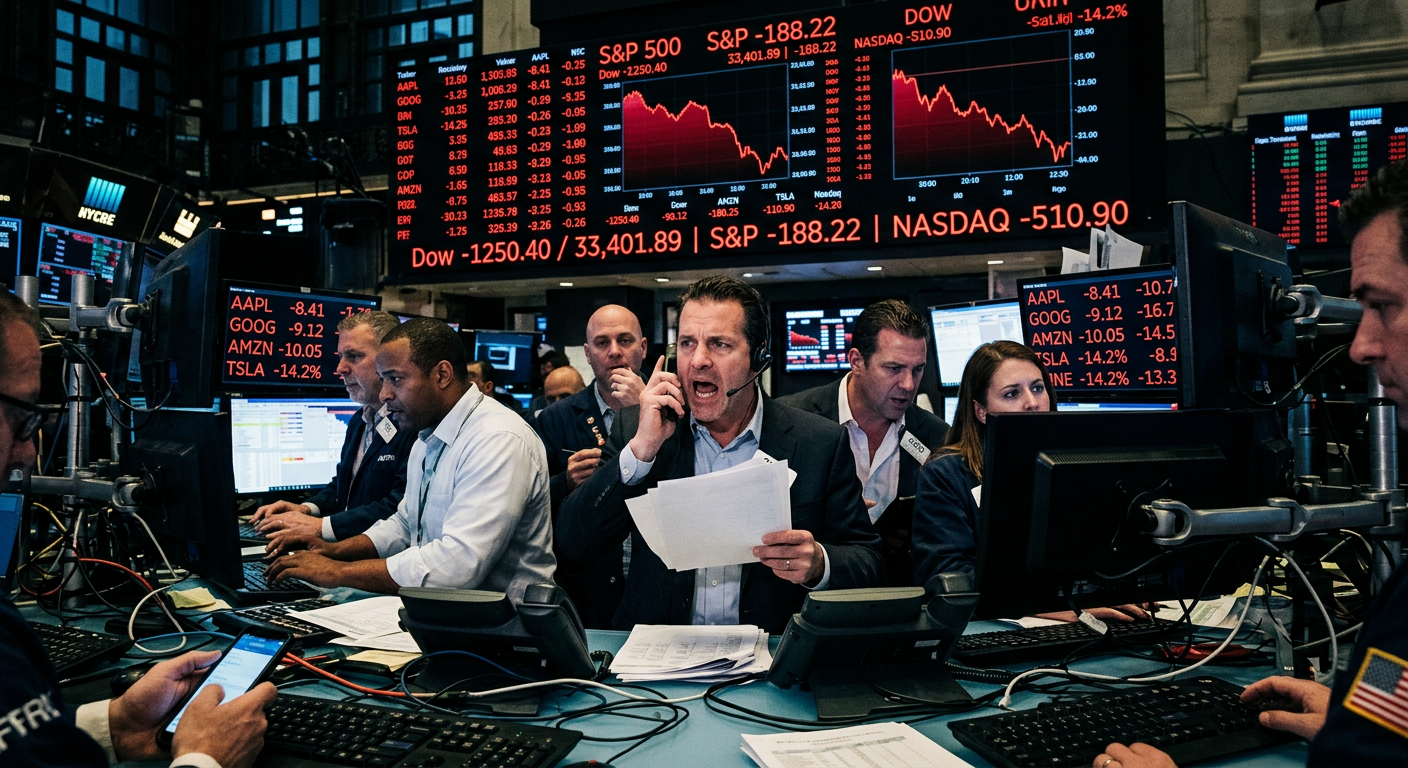
Wall Street suffered its sharpest selloff in weeks as rising Treasury yields and hawkish Federal Reserve commentary prompted a broad risk-off move across equity markets.
What Drove the Selloff
The selling was broad-based but led by technology and growth stocks, which are particularly sensitive to interest rate expectations. Rising yields increase the discount rate on future earnings, pressuring valuations.
Sector Performance
Technology and consumer discretionary sectors led the decline, while defensive sectors such as utilities and healthcare outperformed — a classic risk-off rotation.
What This Means for Traders
For active traders, the selloff presents both opportunities and risks. Oversold conditions can lead to sharp bounces, but catching falling knives is dangerous. Risk management and patience are key.
The best trades often come from waiting for the dust to settle rather than trying to pick the exact bottom.
Key Levels to Watch
Traders are watching key support levels on the S&P 500 and NASDAQ. A break below these levels could signal further downside, while a bounce would indicate the correction may be limited.
Looking Ahead
The market's direction will depend heavily on upcoming economic data and Fed commentary. Inflation data will be particularly important for rate expectations.